 Bug FAQ
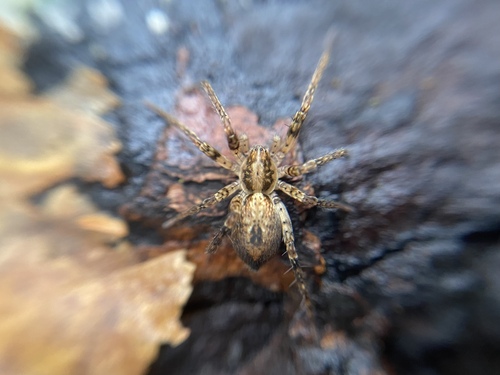
Buzzing Spider
Anyphaena accentuata · Order: Araneae · Family: Anyphaenidae
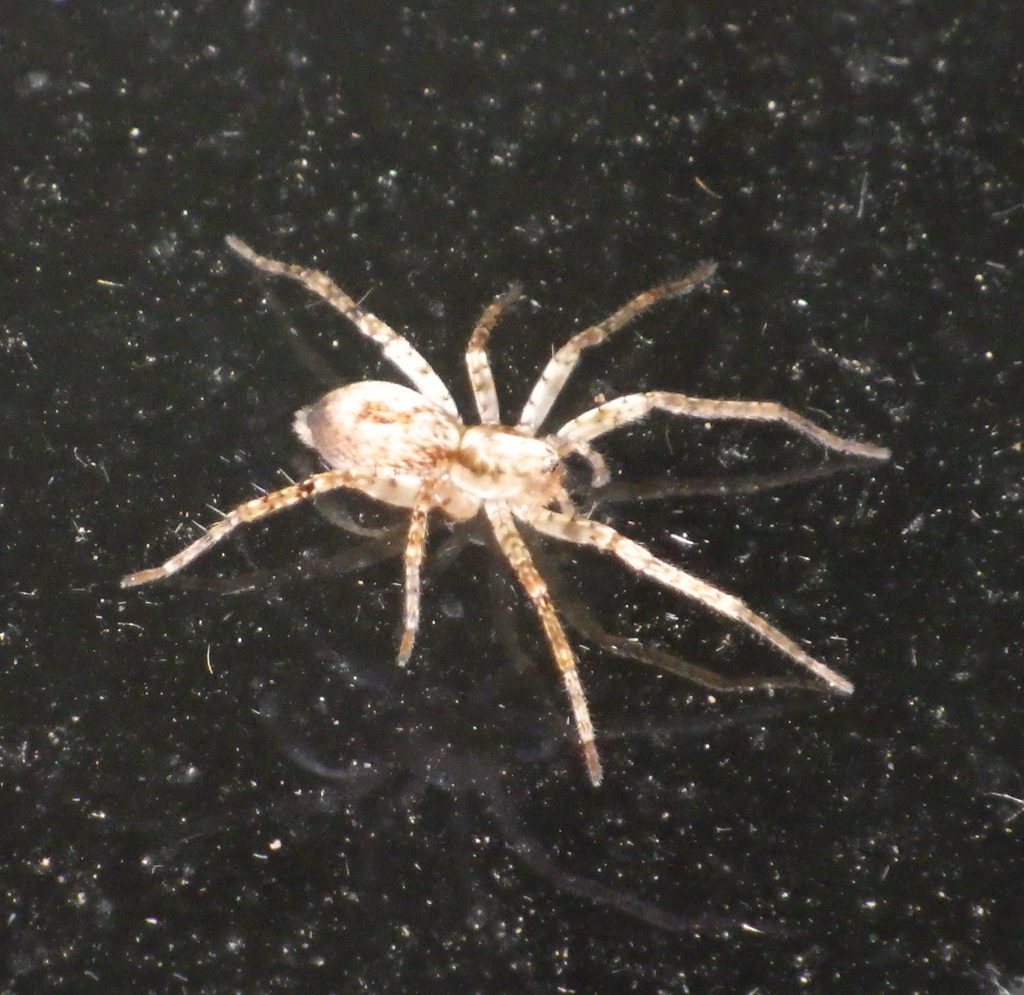
Female buzzing spiders are 5 to 9 mm long and males are 4 to 7 mm long. They live in trees, conifers, shrubs, bark, tree trunks and can also be found inside houses and apartments, often hiding in woven tubes by day and hunting at night. Their range extends from Europe across to Central Asia.
Source: Wikipedia
Size
Females measure 5 to 9 mm in body length, while males are 4 to 7 mm long.
Source: Wikipedia
Where it lives
They inhabit trees, conifers, shrubs, bark and tree trunks, hiding in woven tubes during the day and hunting at night. In lowland forests they often overwinter in bird nesting boxes and do not build web nests. They can also be found inside houses and apartments.
Source: Wikipedia
Where it comes from
Their distribution ranges from Europe to Central Asia.
Source: Wikipedia
More photos
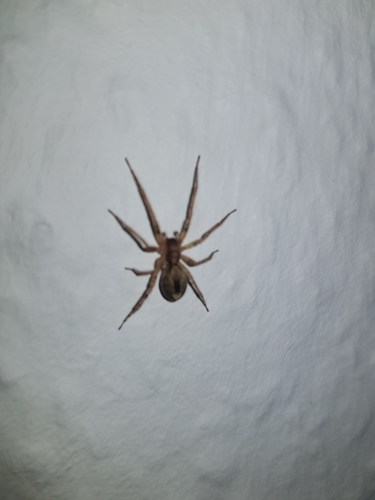
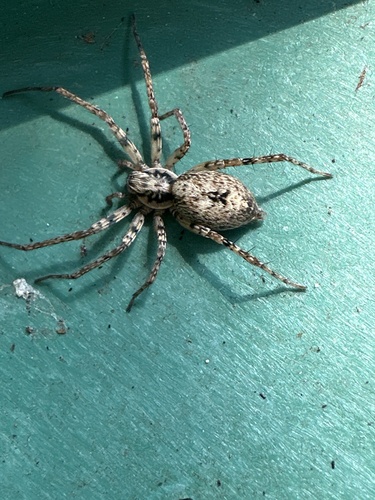
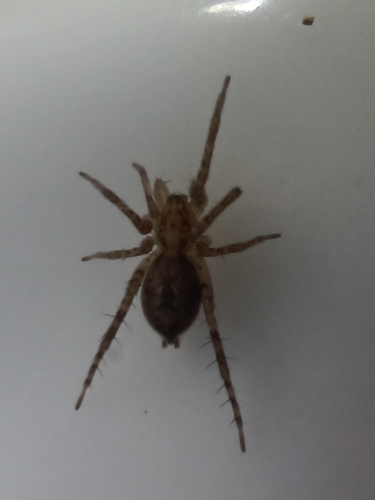
Questions people ask
How big are buzzing spiders?
Females are 5 to 9 mm long and males are 4 to 7 mm long.
Source: Wikipedia
Where can I find buzzing spiders?
They live in trees, conifers, shrubs, bark, tree trunks and can also be found inside houses and apartments, often hiding in woven tubes by day and hunting at night.
Source: Wikipedia
What region do buzzing spiders come from?
Their range extends from Europe across to Central Asia.
Source: Wikipedia
Sources
- Wikipedia: https://en.wikipedia.org/wiki/Anyphaena_accentuata
Look it up elsewhere: GBIF · iNaturalist · BugGuide · ITIS · Wikipedia
Text written 2026-10-22 from the sources above and checked sentence by sentence against them. Data fetched 2026-10-22.