 Bug FAQ
Bush-clover triclonella
Triclonella pergandeella · Order: Lepidoptera · Family: Momphidae
Also called: Sweetclover Root Borer
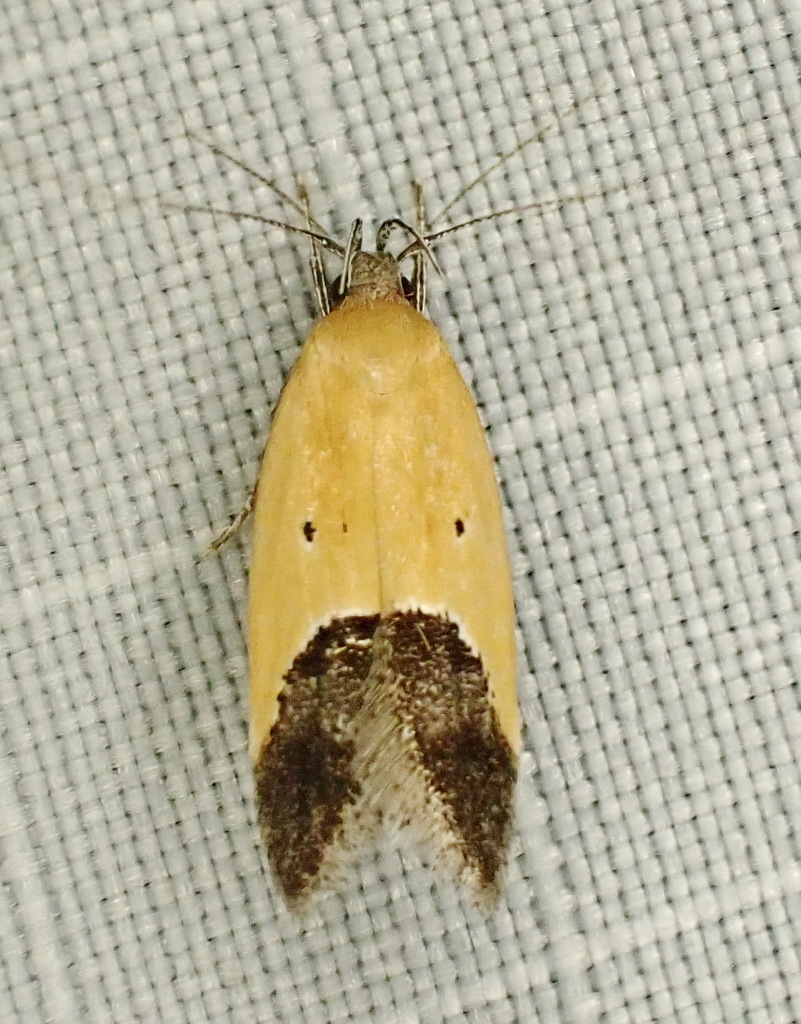
The sweetclover root borer moth has a wingspan of about 14 mm and a yellow head. It lives in the United States, from the District of Columbia down through Arkansas, Florida, Louisiana and Texas, and adults fly from March through October. Its larvae grow to about 12 mm long and feed on Lespedeza and Clitoria plants.
Source: Wikipedia
How to recognize it
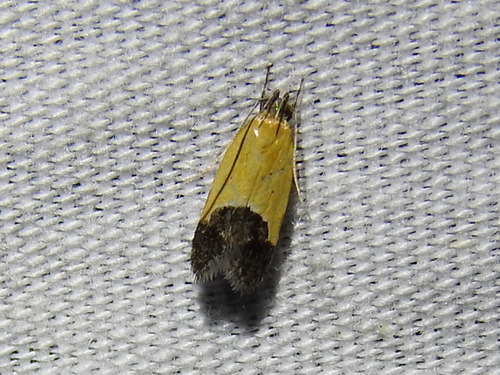
The head of this moth is yellow.
Source: Wikipedia
Size
The adult’s wingspan is roughly 14 mm.
Source: Wikipedia
Where it lives
It has been recorded in the District of Columbia and from Arkansas to Florida, Louisiana and Texas.
Source: Wikipedia
What it eats
The larvae feed on species of Lespedeza and Clitoria.
Source: Wikipedia
Life cycle
Full-grown larvae reach about 12 mm in length.
Source: Wikipedia
When you see it
Adults have been observed on the wing from March through October.
Source: Wikipedia
Where it comes from
It is found in the United States.
Source: Wikipedia
Where it is found in the US
Recorded in 17 of 51 states and DC. Most records: Texas, North Carolina, Mississippi, Louisiana, Oklahoma, Arkansas, Alabama, Georgia.
Darker = more records. Counts are museum and citizen-science records, not population size.
Source: GBIF
Status: native in United States. Source: iNaturalist
Months it is reported in the US
Source: GBIF
More photos
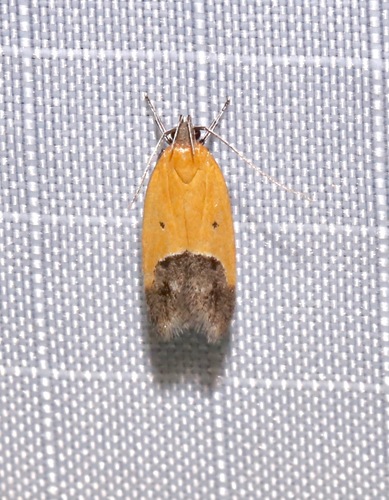
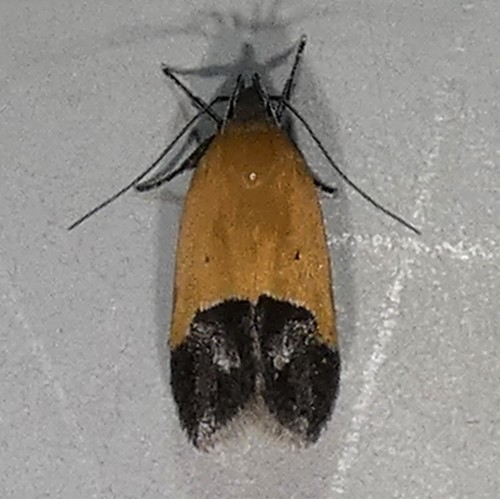
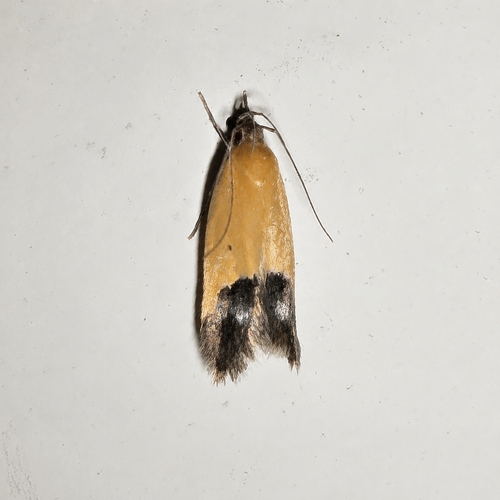
Questions people ask
When are adult sweetclover root borer moths active?
Adults are on the wing from March until October.
Source: Wikipedia
What do the larvae of this moth eat?
The larvae feed on Lespedeza and Clitoria plant species.
Source: Wikipedia
Same family (Momphidae)

Sources
- Wikipedia: https://en.wikipedia.org/wiki/Triclonella_pergandeella
Look it up elsewhere: GBIF · iNaturalist · BugGuide · Wikipedia
Text written 2026-10-27 from the sources above and checked sentence by sentence against them. Data fetched 2026-10-27.