 Bug FAQ
Brignolizomus woodwardi
Brignolizomus woodwardi · Order: Schizomida · Family: Hubbardiidae
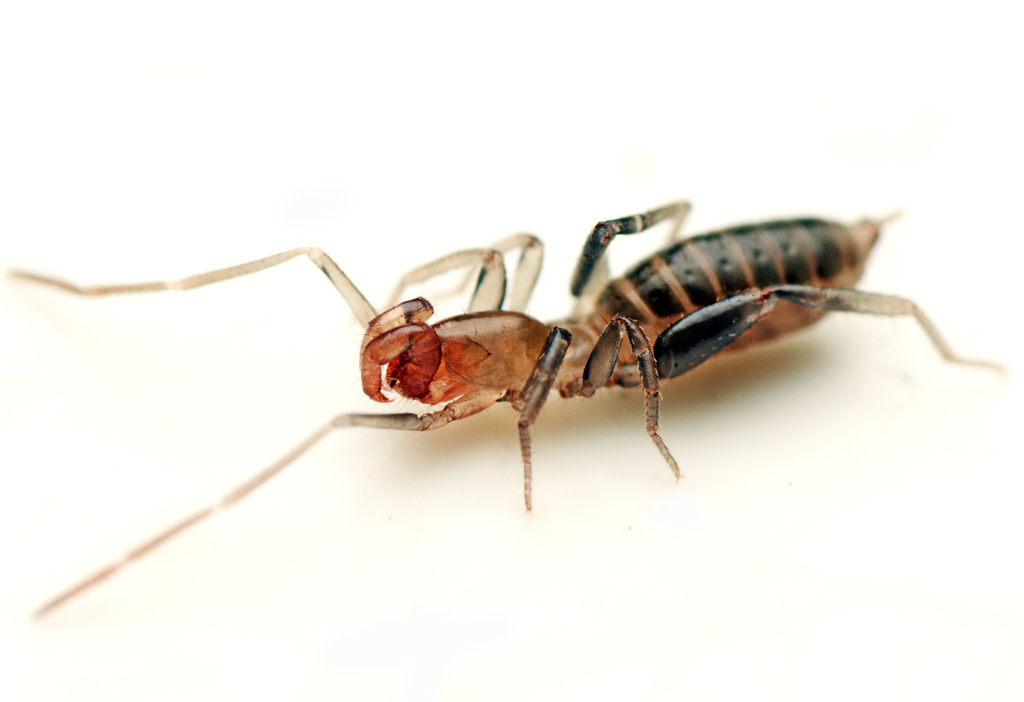
Brignolizomus woodwardi is a short-tailed whip-scorpion described in 1992. It lives in leaf litter of open forests in south-east Queensland, with the type locality at Mount Coot-tha, Brisbane. The species is endemic to Australia and hunts on the ground as a predator.
Source: Wikipedia
How to recognize it
It belongs to the Hubbardiidae family of schizomid arachnids, commonly called short-tailed whip-scorpions.
Source: Wikipedia
Size
It was first described by Australian arachnologist Mark Harvey in 1992.
Source: Wikipedia
Where it lives
The bug is found in plant litter within open forest habitats in south-east Queensland.
Source: Wikipedia
What it eats
It is a terrestrial predator, hunting other small invertebrates.
Source: Wikipedia
Where it comes from
It is native and restricted to Australia.
Source: Wikipedia
Questions people ask
Where is Brignolizomus woodwardi found?
It lives in leaf litter of open forests in south-east Queensland, especially around Mount Coot-tha near Brisbane.
Source: Wikipedia
What does Brignolizomus woodwardi eat?
It is a ground-dwelling predator that hunts other small arthropods.
Source: Wikipedia
Same family (Hubbardiidae)
Sources
- Wikipedia: https://en.wikipedia.org/wiki/Brignolizomus_woodwardi
Look it up elsewhere: GBIF · iNaturalist · BugGuide · ITIS · Wikipedia
Text written 2026-10-23 from the sources above and checked sentence by sentence against them. Data fetched 2026-10-23.