 Bug FAQ
Bark Lice, Book Lice, and Parasitic Lice
Psocoptera · Order: Psocodea
Also called: Bark Lice, Book Lice, Lice, True Lice
Source: Wikipedia
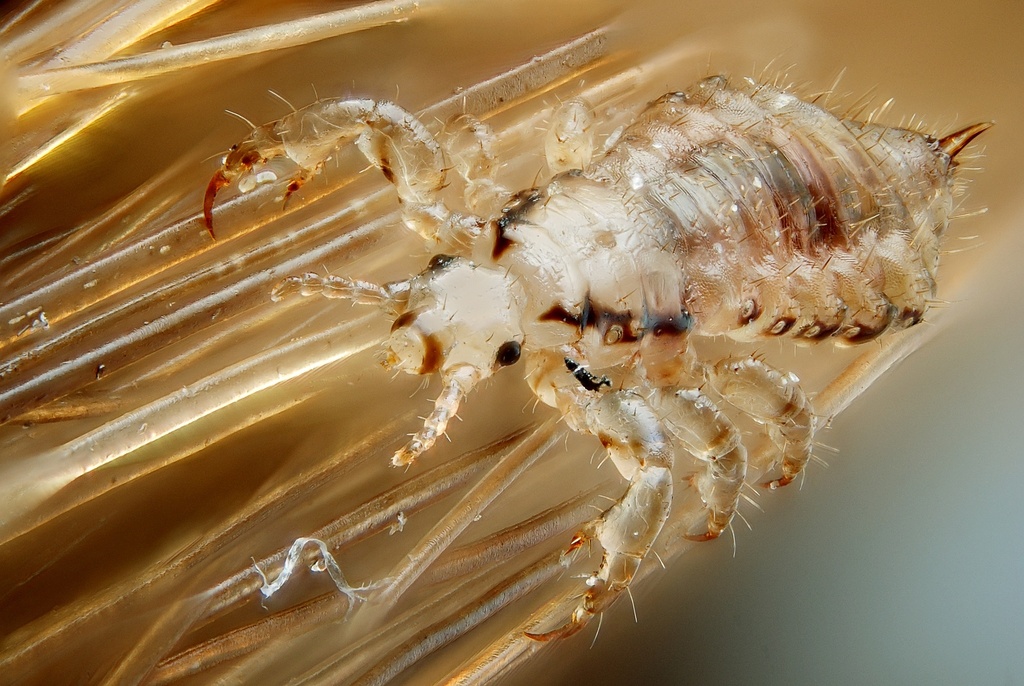
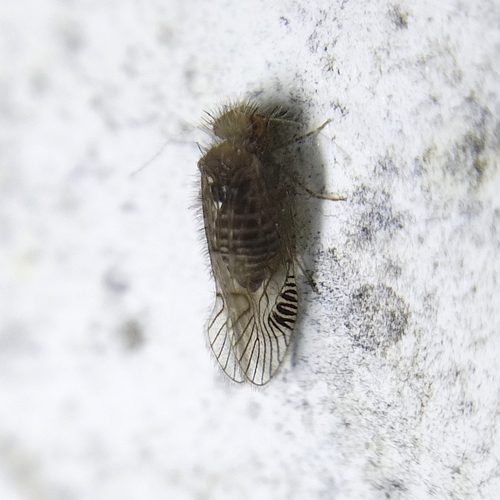
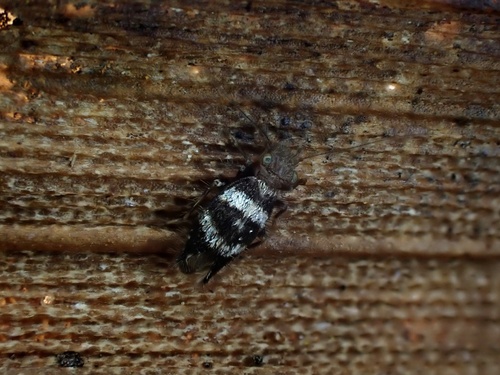
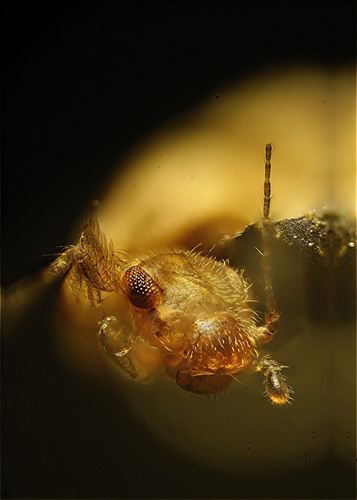
Psocids are tiny insects that live on trees or in books and feed on fungi, algae, lichen and starchy household items. Some species infest stored products and can damage food, pantry goods and book bindings, but they do not bite people.
Source: Wikipedia
How to recognize it
Wingless species can be confused with bed-bug nymphs and vice versa.
Source: Wikipedia
Size
Psocids range from about 1 to 10 mm in length. Booklice are usually only 1 to 2 mm long.
Source: Wikipedia
Is it a pest in the house?
They can also infest food storage areas and damage books by feeding on dry, starchy materials.
Source: Wikipedia
Does it bite or sting?
Psocids are scavengers and do not bite humans.
Source: Wikipedia
How to get rid of it
Research is ongoing to develop pest-control methods for psocids in food manufacturing. Modified-atmosphere packaging has been shown to reduce re-infestation of stored products.
Source: Wikipedia
Where it lives
Barklice live on tree bark where they eat algae and lichen. Booklice are named for their habit of living among old books and feeding on the glue used in binding.
Source: Wikipedia
What it eats
They scavenge on fungi, algae, lichen and organic detritus, and also eat starch-based items such as grains, wallpaper glue and book bindings.
Source: Wikipedia
Life cycle
Booklouse eggs hatch in two to four weeks and reach adulthood about two months later. The young are tiny wingless versions of the adult and molt six times before becoming fully grown.
Source: Wikipedia
Where it comes from
Most psocids are woodland insects that rarely come into contact with humans. They are considered the most primitive members of the paraneopteran group.
Source: Wikipedia
Where it is found in the US
Recorded in 51 of 51 states and DC. Most records: California, Texas, Alaska, Virginia, Florida, Idaho, Kansas, Pennsylvania.
Darker = more records. Counts are museum and citizen-science records, not population size.
Source: GBIF
Months it is reported in the US
Source: GBIF
More photos

Questions people ask
How can I get rid of psocids in my pantry?
Using modified-atmosphere packaging or other controlled storage conditions can help prevent and reduce infestations.
Source: Wikipedia
Why are they called booklice?
Because they are often found among old books where they feed on the glue used in binding.
Source: Wikipedia
What do psocids eat?
They feed on fungi, algae, lichen, organic detritus and starch-based household items such as grains and book glue.
Source: Wikipedia
Same family ()



Sources
- Wikipedia: https://en.wikipedia.org/wiki/Psocoptera
Look it up elsewhere: GBIF · iNaturalist · BugGuide · ITIS · Wikipedia
Text written 2026-10-23 from the sources above and checked sentence by sentence against them. Data fetched 2026-10-22.