 Bug FAQ
Ash Flower Gall Mite
Aceria fraxiniflora · Order: Trombidiformes · Family: Eriophyidae
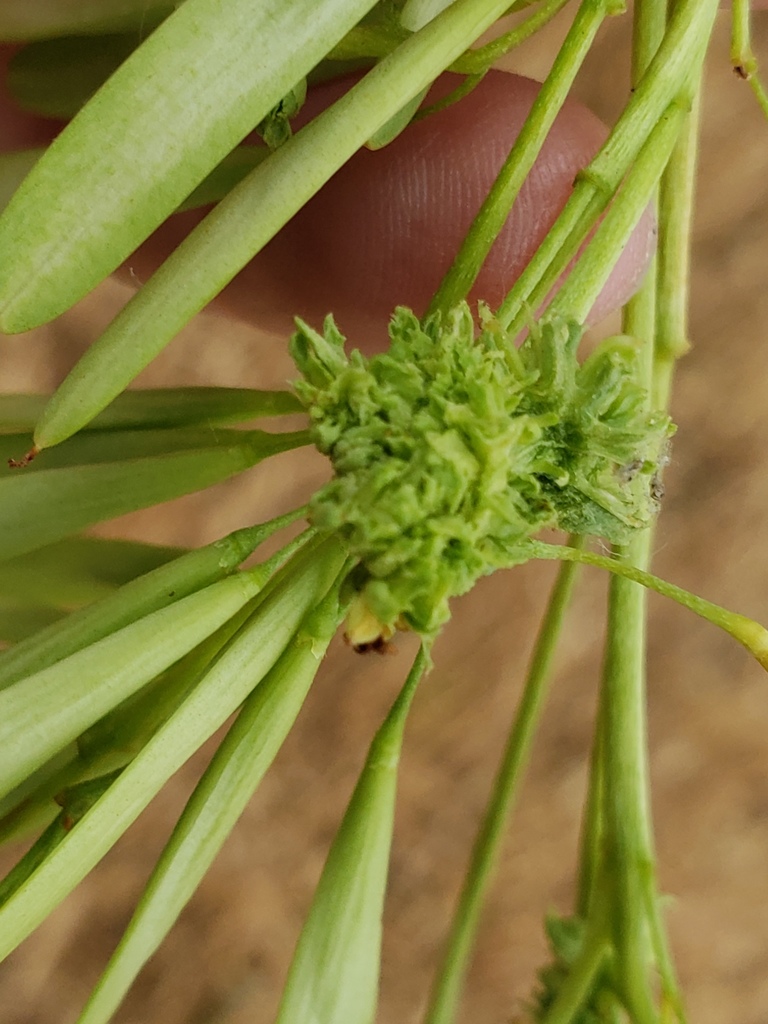
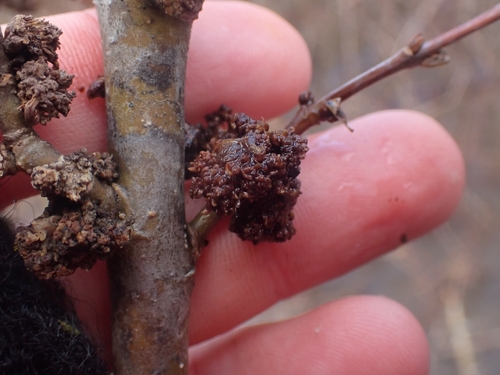
The ash flower gall mite causes the male ash flowers to become distorted, forming yellow-green galls that later dry brown. Females overwinter under bud scales and, when spring warms, they feed on expanding buds, lay eggs, and several generations develop through summer. Although the galls are conspicuous, there is little evidence that they significantly harm the ash tree.
Source: Wikipedia
How to recognize it
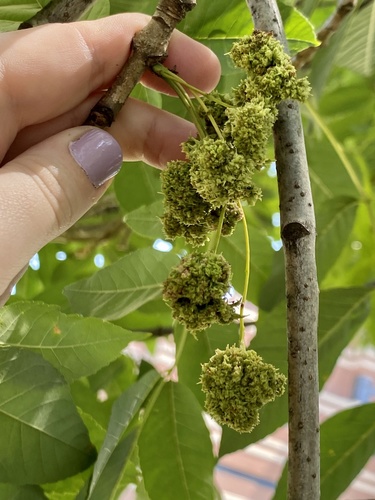
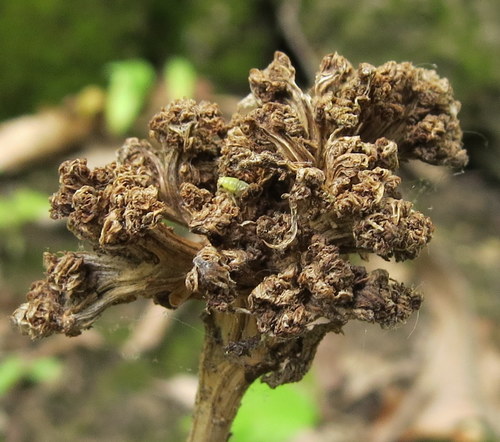
Infested male ash flowers are highly distorted, forming yellow-green galls that later dry to brown.
Source: Wikipedia
Is it a pest in the house?
The mite’s injury to ash trees is considered to have little substantial impact on the plant’s health.
Source: Wikipedia
Where it lives
Overwintering females shelter under bud scales on ash bark. In spring, the same females resume feeding, induce galls on new buds, and lay eggs.
Source: Wikipedia
Life cycle
Several mite generations occur during the spring and summer months. A generation of females develops in fall, mates, and overwinters in bark crevices under bud scales.
Source: Wikipedia
When you see it
Multiple generations appear throughout spring and summer. Spring warming triggers overwintering females to feed, form galls, and lay eggs.
Source: Wikipedia
Where it comes from
The first European record of this mite was in 2019 on an introduced green ash cultivar.
Source: Wikipedia
Where it is found in the US
Recorded in 39 of 51 states and DC. Most records: Minnesota, New York, Illinois, Wisconsin, Texas, Ohio, Vermont, Michigan.
Darker = more records. Counts are museum and citizen-science records, not population size.
Source: GBIF
Status: native in North America; native in United States. Source: iNaturalist
Months it is reported in the US
Source: GBIF
More photos
Questions people ask
Do the galls damage ash trees?
There is little evidence that the galls cause a substantial impact on ash health.
Source: Wikipedia
When do these mites become active?
Adults become active in spring as temperatures rise, feeding on expanding buds and laying eggs.
Source: Wikipedia
Where do the mites spend the winter?
Overwintering females hide under bud scales on the ash tree.
Source: Wikipedia
Same family (Eriophyidae)

Sources
- Wikipedia: https://en.wikipedia.org/wiki/Aceria_fraxiniflora
Look it up elsewhere: GBIF · iNaturalist · BugGuide · Wikipedia
Text written 2026-10-24 from the sources above and checked sentence by sentence against them. Data fetched 2026-10-24.